You come off I-24 at the Medical Center Parkway exit, slow down, and your Cadillac brakes let out a short chirp. The car stops fine, and the noise is gone a second later.
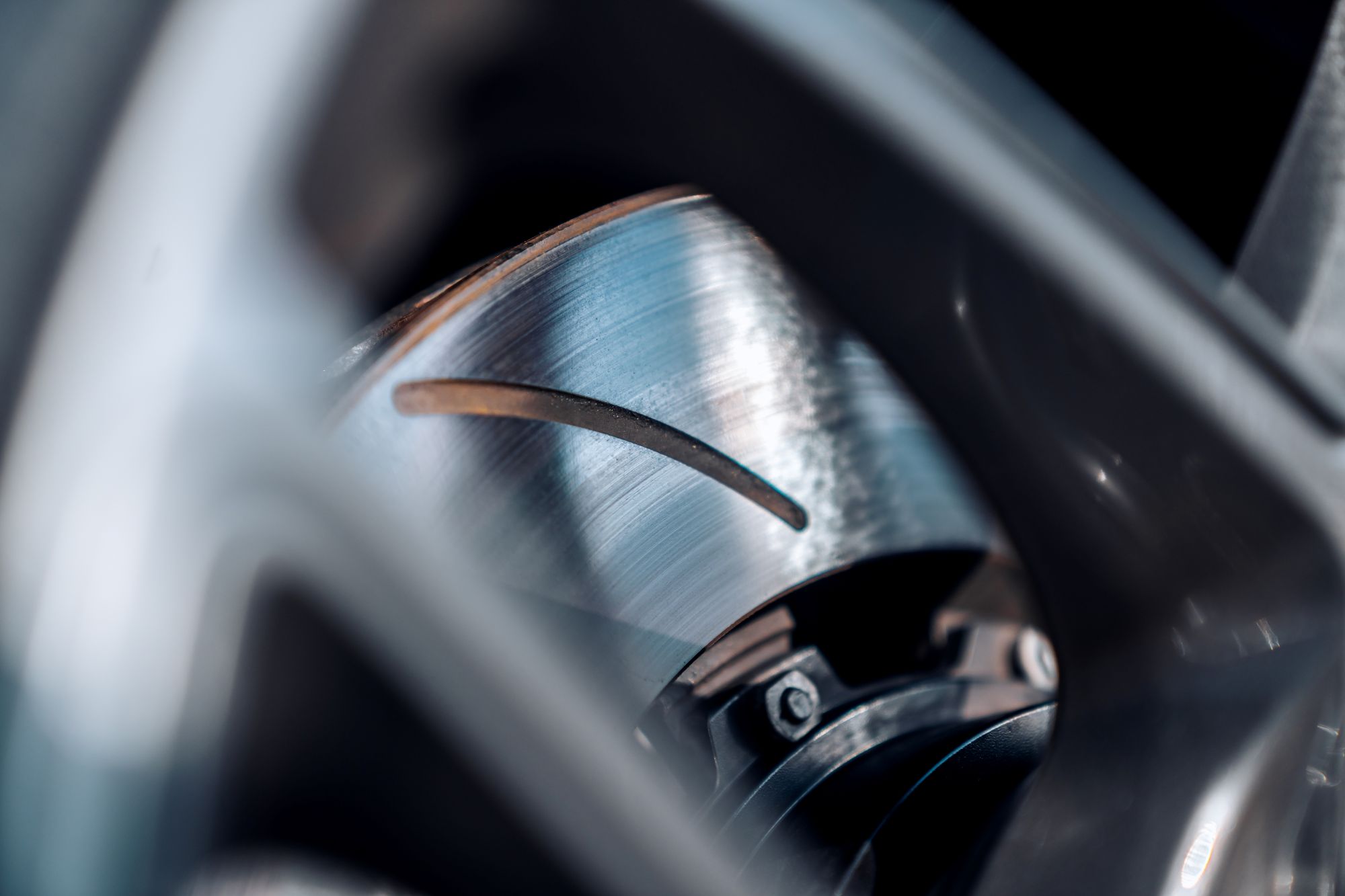
That chirp is the brake wear indicator, a metal tab built into the pads that touches the rotor once the pads wear down, and it means it's time to get your brakes checked. There's no set mileage for brake service, because wear depends on how you drive.
Replace them when the warnings show up: a chirp, squeal, or whistle when you brake, or a Brake Pad Life message on the driver display. There's no set mileage, because brake wear depends on your driving habits and conditions, so two Cadillacs with the same mileage can need pads at very different times.
Stop-and-go driving tends to wear pads faster than highway driving. Some Cadillacs have a Brake Pad Life Monitor that uses sensors at the front and rear to estimate pad wear, and it adjusts to how you drive over time. When the pads need replacing, it shows a message with their estimated mileage remaining.
It depends on the sound or feel: a chirp or squeal means the pads are wearing down, while grinding, shaking, pulling, and a soft pedal each point to something else.
| What you notice | What it can suggest | Best next step |
|---|---|---|
| A chirp, squeal, or whistle when you brake | The wear indicators, metal tabs built into the pads, are touching the rotors because the pads have worn down to them. | Get your brakes checked. This is the warning built into the pads to tell you it's time. |
| A grinding noise when you brake | The pad material may be fully worn, and worn pads can damage the rotors. | Schedule service promptly, before worn pads damage the rotors further. |
| Vibration in the brake pedal or steering wheel when you brake | This usually points to unevenly worn rotors. | Schedule an inspection. Resurfacing or replacing the rotors typically resolves it. |
| The car pulls to the left or right when you brake | The brakes aren't working evenly from side to side. | Schedule an inspection so a technician can find out why the braking is uneven. |
| A soft or spongy pedal, or a pedal that goes farther down than normal | A problem in the brake system that can change how well the car stops. | Have it checked right away. If it gets worse, stop driving. |
No. If the pedal isn't pulsing, the steering wheel isn't shaking when you brake, and the rotors are still thick enough, they don't need to be resurfaced or replaced with the pads.
An inspection checks rotor condition, so you don't have to guess which case you're in. Waiting too long can cost you more, because worn pads damage rotors, and damaged rotors affect caliper performance.
If the brake system warning light comes on while you're driving, pull off the road and stop carefully. The pedal could be harder to push or go closer to the floor, and it can take longer to stop. If the light is still on, have the car towed for service.
Driving with the brake system warning light on can lead to a crash. The light also comes on when the parking brake is set, so check that the parking brake is released.
A Brake Pad Life message is different. It's a heads-up that the pads are wearing down, and it shows their estimated mileage remaining, so book brake service.
Our brake service starts with an inspection of pad thickness, rotor condition, brake fluid level, and caliper performance. If something needs replacing, our Certified Service technicians handle everything from pad replacement to rotor service and brake fluid service, then check the full system after the repair.
We use ACDelco brake parts, the option recommended for Cadillacs and backed by General Motors.
If getting the car here is the problem, our Cadillac Mobile Service van can handle brake pads and rotors at your home or workplace, where local laws and property rules allow it. Ask our team what that covers for your Cadillac.